Complete Overview of Crazy Time: rules, betting fields, multipliers
Crazy Time is often included in welcome offers, free bets, or loyalty promotions — the exact terms depend on the casino and your region. Below is the basic process to claim a bonus and avoid common restrictions.
 Legal casino
Strategies review
Demo in browser
Legal casino
Strategies review
Demo in browser
US 18+
Play responsibly
Only licensed operators

Introduction
Crazy Time is a live game show built around a fortune wheel with four bonus games and an external multiplier at the start of each round. You place a bet on a field, the wheel spins, and the outcome determines a base payout or entry into a bonus.
This guide explains the mechanics, the betting fields, and how multipliers work without myths or guesswork. We don’t make promises or share “secret strategies.” We outline what you can control and what you can’t.
Exact values such as RTP, limits, and multipliers may vary depending on the game version and the operator.
Concept and core mechanics
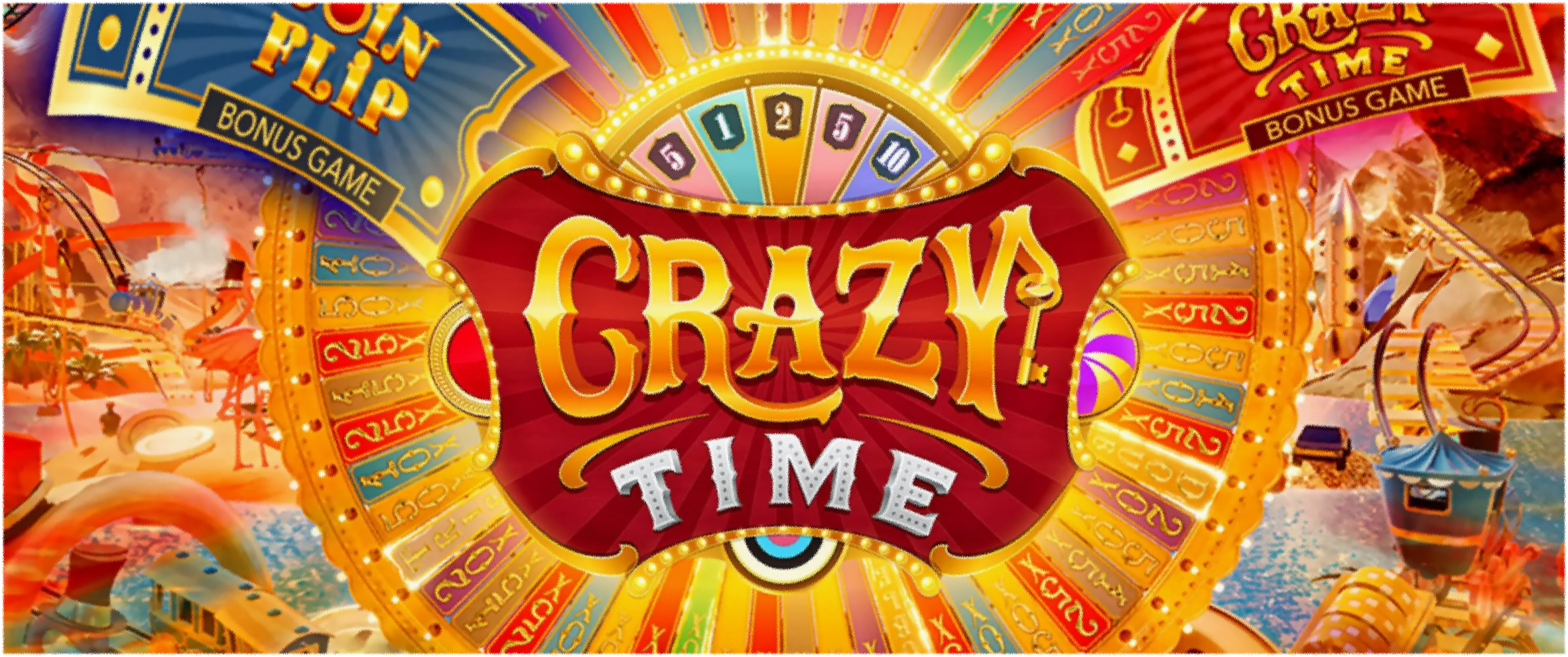
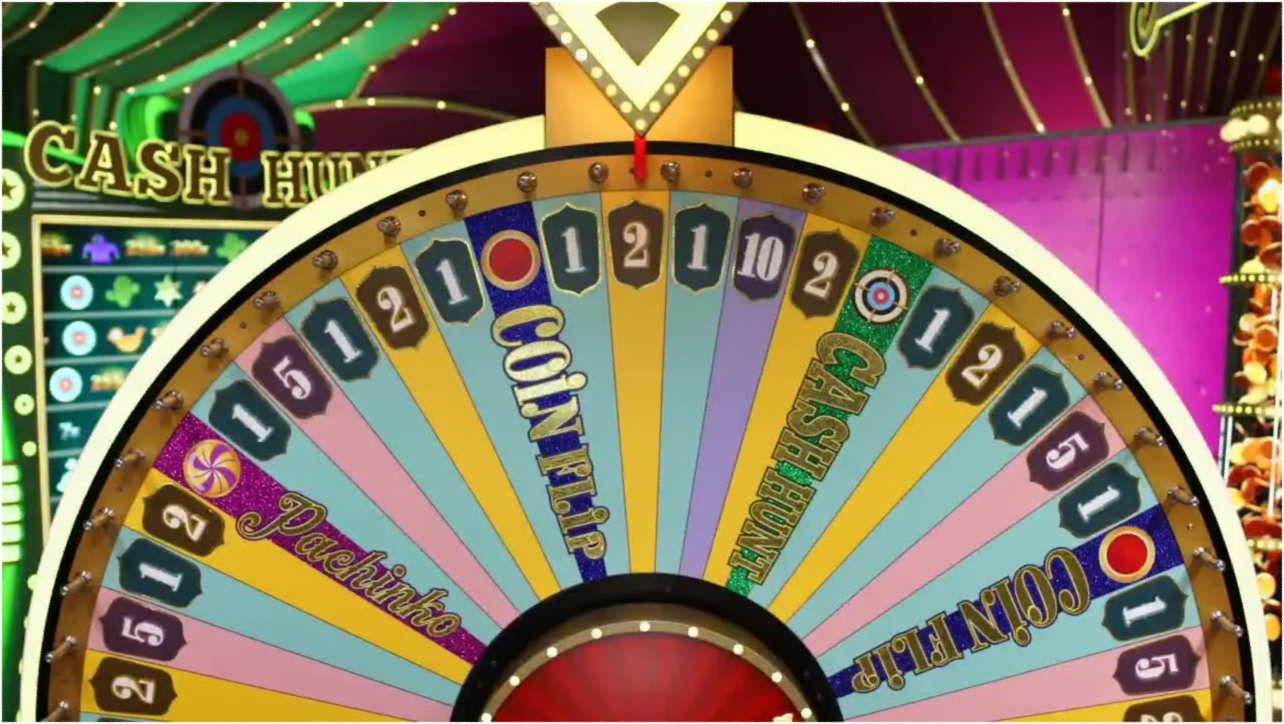
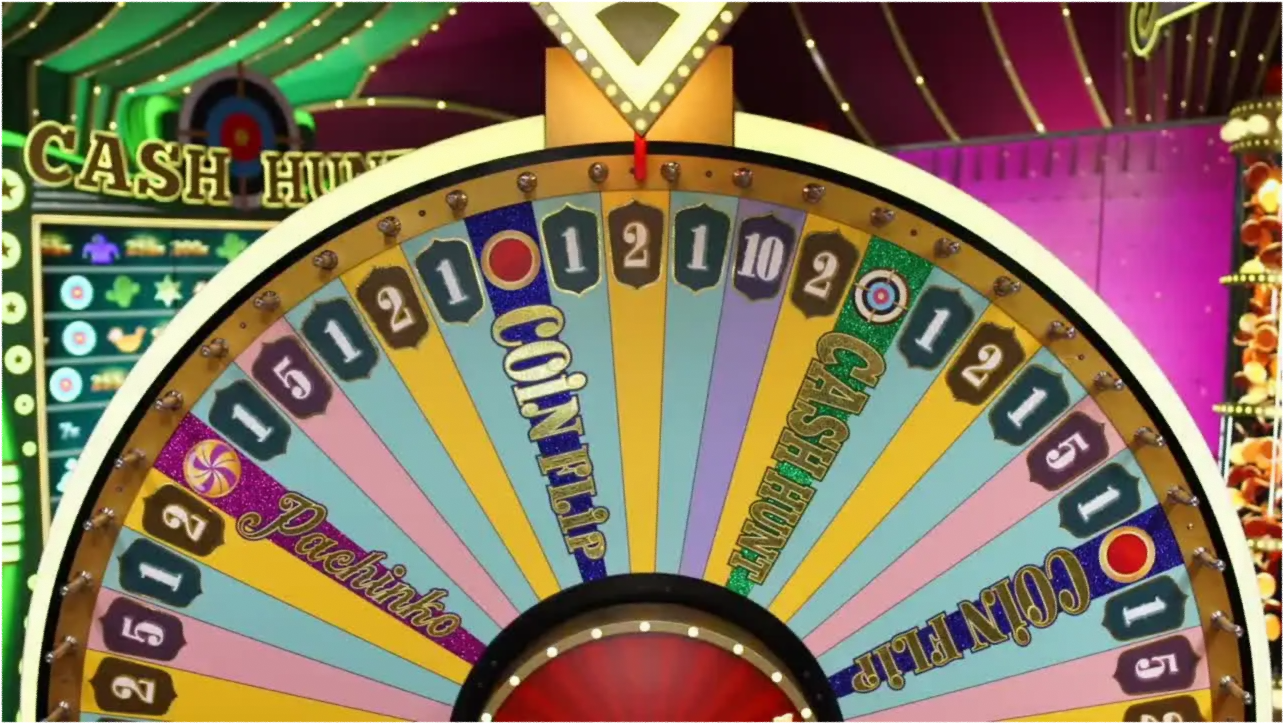
Crazy Time uses a wheel with numeric sectors and bonus sectors. Numeric sectors pay according to their denomination; bonus sectors open a mini-game with variable multipliers.
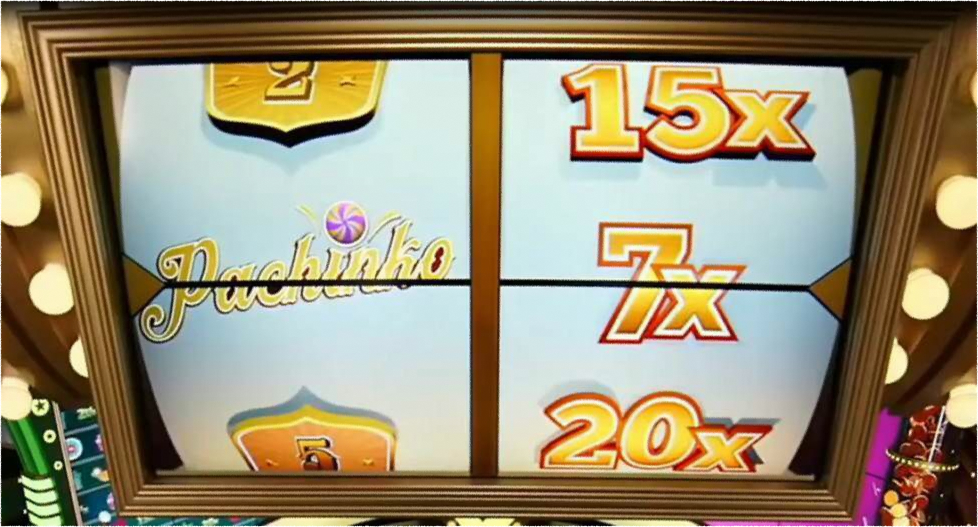
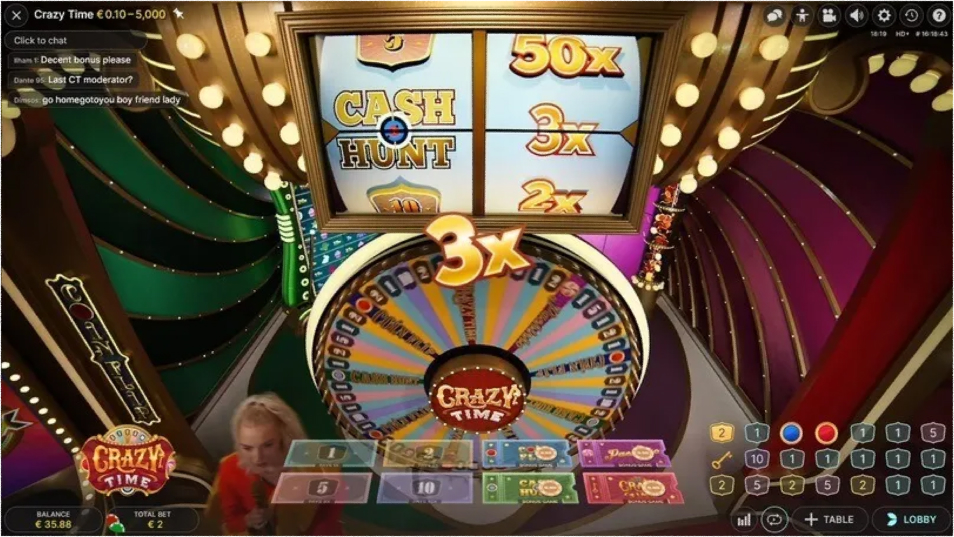
Before the wheel spins, a top screen called the Top Slot randomly selects one field and assigns an extra multiplier.
Each round has three steps: you place a bet, the Top Slot may enhance a field, and the wheel determines the result. If the enhanced field lands and you bet on it, both the base payout and the Top Slot multiplier apply.
If a bonus lands and was enhanced before the spin, the enhancement carries into the bonus and affects the final payout. Exact multipliers depend on the version.
This combination of a fixed betting grid and an external booster creates high variability. The same scenario can yield different results depending on the starting conditions.
The external enhancement is random. It cannot be forecast.
Betting fields and round structure
The betting panel is split into numeric fields and bonus fields. Numbers are “simple” outcomes; bonuses are “compound” outcomes with their own rules.
You can bet on one or multiple fields and spread your bankroll.
Below is a generalized table of fields. Wording is descriptive and avoids fixed numbers, because exact payouts and limits differ by version and operator.
| Betting field | What it means | When it wins | Payout/multiplier | Does Top Slot affect it |
|---|---|---|---|---|
| Numeric fields (denominations) | Bet on landing a specific numeric sector | Wheel stops on your chosen number | Pays proportional to its denomination; exact factors depend on version and operator rules | Yes, if the Top Slot boosted that number |
| Coin Flip | Enters a heads/tails bonus with two sides and different multipliers | Wheel stops on the Coin Flip sector | Payout equals the multiplier on the final side; exact values vary | Yes, boost carries into the bonus |
| Cash Hunt | Enters a grid bonus with hidden multipliers and a target pick | Wheel stops on the Cash Hunt sector | Payout equals the multiplier hidden under your chosen symbol; exact ranges vary | Yes, scales the grid values |
| Pachinko | Enters a vertical pegboard bonus with prize pockets | Wheel stops on the Pachinko sector | Payout depends on the pocket where the puck lands; doubling/boost pockets possible; exact figures vary | Yes, boosts prize values |
| Crazy Time | Enters a “big wheel” bonus with gates and cascading boosts | Wheel stops on the Crazy Time sector | Payout depends on the big wheel sector and any re-spins/boosts; exact values vary | Yes, affects starting values |
Visually, the interface groups fields clearly and shows remaining time, Top Slot state, and confirmations in real time.
Minimum and maximum stakes are set per studio and version; exact figures may differ by operator.
Bonus games: structure and how multipliers work
Bonuses are the main reason multipliers in Crazy Time feel “alive.” Payouts depend not only on the wheel, but also on the mini-game dynamics.
 Coin Flip Cash Hunt Pachinko Crazy Time
 Top Slot: the external round modifier
The Top Slot is an independent randomizer. Sometimes it won’t touch your fields; sometimes it will enhance exactly what you chose.
Technically, it selects one field and assigns a multiplier. Certain pairs may be unsupported in a given version; if so, a permissible pair is used.
If a numeric field is boosted, the payout combines the base number payout with the Top Slot multiplier.
If a bonus is boosted, that enhancement carries into the mini-game, scaling its value table. Multipliers and weights differ by version.
The Top Slot does not “compensate” for previous rounds and doesn’t insure low outcomes. It’s a separate random process.
Strategically, risk and reward shift from round to round, but you cannot predict the moment of a boost.
Differences across variants and the genre’s evolution
Crazy Time evolved alongside other wheel-plus-bonus live games. Early formats used plain numeric payouts; later hybrids added bonus scenes.
Crazy Time became a benchmark by combining four distinct bonuses with an independent external modifier.
You may encounter cosmetic themes, pacing differences, or different limits, RTP settings, and audio/video presets.
“Related” games may look similar, but their mechanics and value tables are unique.
Do not transfer expectations blindly from Crazy Time to similar titles. Check the betting panel, bonus rules, and any external modifiers.
Again: exact multipliers and RTP vary by version and operator.

Common mistakes and misconceptions
Players often hunt for “patterns” in wheel stops or hidden values in Cash Hunt. These attempts fail.
Shuffling and round independence make pattern-searching pointless.
Another mistake is “betting on everything.” This burns bankroll quickly, because part of your bets lose each round.
Without understanding bonus variance, this approach creates noise rather than risk control.
Some believe the host’s “mood” affects outcomes. It doesn’t. The host supports pacing and UX, not the math.
Long dry spells do not “force” a bonus next. Independent rounds don’t create debts.
What you can control
Control is limited but real. It’s about how you manage participation, not results.
-
Bet sizing and allocation across fields. Different fields have different variance.
-
Time and budget limits. Set them in advance and stick to them.
-
Session pace. You can sit out rounds.
-
Onboarding. Some sites offer demo streams or tutorials; availability depends on the operator.
-
Technical comfort. Video quality, audio, and UI hints affect clarity, not outcomes.
If autoplay exists, use it cautiously. It accelerates spend and removes decision pauses.
Exact stake limits, auto-settings, and session features vary by version and operator.
UX: visuals, audio, and the host’s role
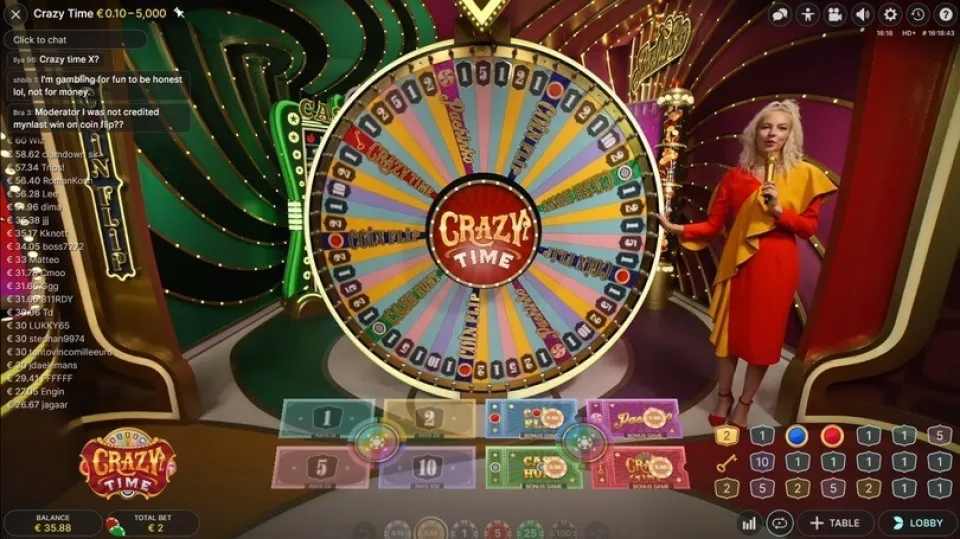
Crazy Time prioritizes short, clear cycles. The interface shows the betting timer, Top Slot status, outcomes, and an outcome history.
History is an interface element, not a forecasting tool.
The host keeps tempo and announces events, reducing cognitive load.
Bonus animations clarify rules: the puck fall in Pachinko, symbol reveal in Cash Hunt, coin flip in Coin Flip, gates in Crazy Time.
Sound cues align with visuals. If distracting, reduce volume.
Presentation shapes perception, not the math.
Performance and adaptability: desktop and mobile
The game is streamed live. Weak connections can reduce video quality and increase latency.
The UI adapts to landscape and portrait modes on mobile.
Stability tips: wired internet or solid Wi-Fi, avoid heavy multitasking, lower video quality if needed.
High latency can cause “missed” betting windows. That is timing, not a game error.
Overlays like tooltips and history are optimized for small screens. Hide extras to avoid misclicks.
Network and device requirements vary by version and operator.
History and place in the genre
-
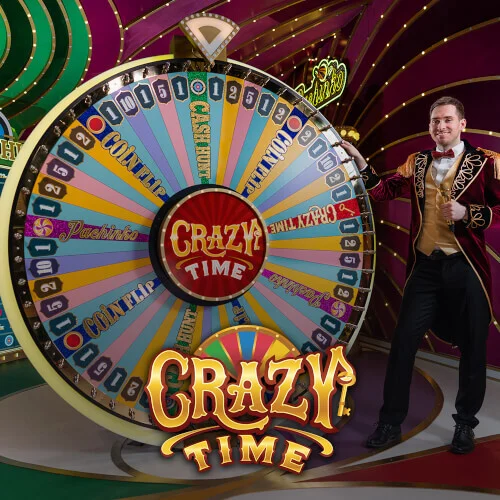
 Wheel-plus-bonus games started simple, with only numeric outcomes. Over time, hybrids added bonus scenes and external modifiers. Crazy Time stands out by combining four different mini-games with an independent Top Slot. This mix keeps outcomes diverse without complicating the betting panel. Players see familiar fields yet face varied scenarios. That’s how the game sustains attention without heavy jargon.
Conclusions
Crazy Time blends a simple betting grid with four heterogeneous bonuses enhanced by an independent Top Slot. This explains why multipliers can swing even with identical bets.
You control bankroll allocation, pace, session length, and technical comfort.
Don’t chase patterns or rely on bonus-selection rituals. They don’t improve expectation.
Exact RTP, limits, and multipliers depend on version and operator, so always check local rules.
FAQ
No. Symbols are masks for shuffled values. Visuals aren’t hints.
No. Rounds are independent. Past outcomes don’t cause future ones.
No universal best. Numbers tend to be steadier with lower payouts; bonuses are rarer and swingier. Choose based on your variance tolerance.
No. The host manages tempo and clarity. Outcomes are driven by mechanics.
Lower video quality, close background apps, use stable Wi-Fi when possible. Missing a window means the betting phase was closed.
It increases small hits but speeds up losses because part of the ticket loses each time. Not a strategy, just noise.
Some sites offer demo viewing or tutorials. Availability varies by operator and version.
Because dynamic multipliers are assigned each round, and the Top Slot can scale numbers or bonuses. Exact ranges vary by version.
Quick practice checklist
Define budget and session length in advance. Don’t raise stakes after losing streaks.
Pick fields that fit your risk profile: numbers for smoother results, bonuses for rarer but potentially larger outcomes.
Mind technical comfort: latency and poor video hinder timely decisions.
Review local rules first: RTP, limits, and multipliers vary by version and operator.