Bonus Rounds in Crazy Time: Coin Flip, Cash Hunt, Pachinko, and Crazy Time
Crazy Time is often included in welcome offers, free bets, or loyalty promotions — the exact terms depend on the casino and your region. Below is the basic process to claim a bonus and avoid common restrictions.
 Legal casino (DGOJ)
Strategies review
Demo in browser
Legal casino (DGOJ)
Strategies review
Demo in browser
US 18+
Play responsibly
Only licensed operators
This article breaks down the four bonus rounds that shape Crazy Time: Coin Flip, Cash Hunt, Pachinko, and the namesake Crazy Time. The goal is to understand the logic of each mode, how they differ, where you actually make a choice and where you don’t, and how that affects perceived risk and enjoyment. Readers with basic knowledge will see how each mechanism works, without jargon or myths.
Bonuses in “game show” titles function like scene changes. The main wheel determines what happens next, and a bonus opens a separate screen with its own rules. Crazy Time adds a pre-spin “Top Slot” that can enhance a specific sector or bonus. Exact multipliers and frequencies may vary by game version and operator.
Overall logic: what happens before, during, and after a bonus
Before each spin, the main wheel picks an outcome. If a bonus sector lands, the game switches to that mode. Any Top Slot enhancement, if matched, is applied. Inside the bonus, a separate algorithm runs: a two-sided pick, a concealed grid, a pegboard drop, or a large secondary wheel.
A bonus is not just “extra chance,” but a self-contained mechanic with its own outcome space and visualization of randomness. Cash Hunt and Crazy Time involve player choices, which often creates a false sense of control; the underlying randomness remains.
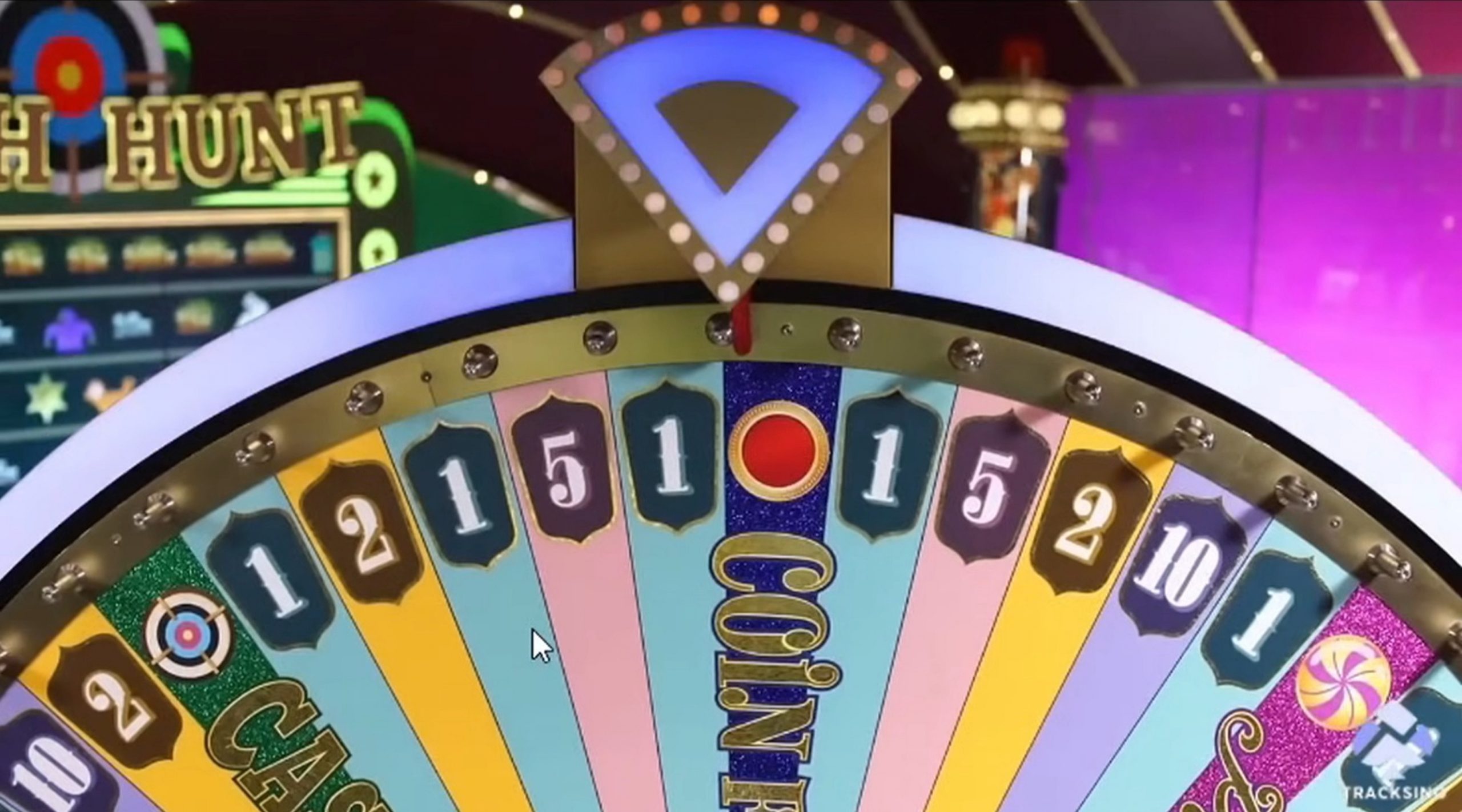
Coin Flip: simple, visible, minimal involvement
 Essence Player control UX Common expectations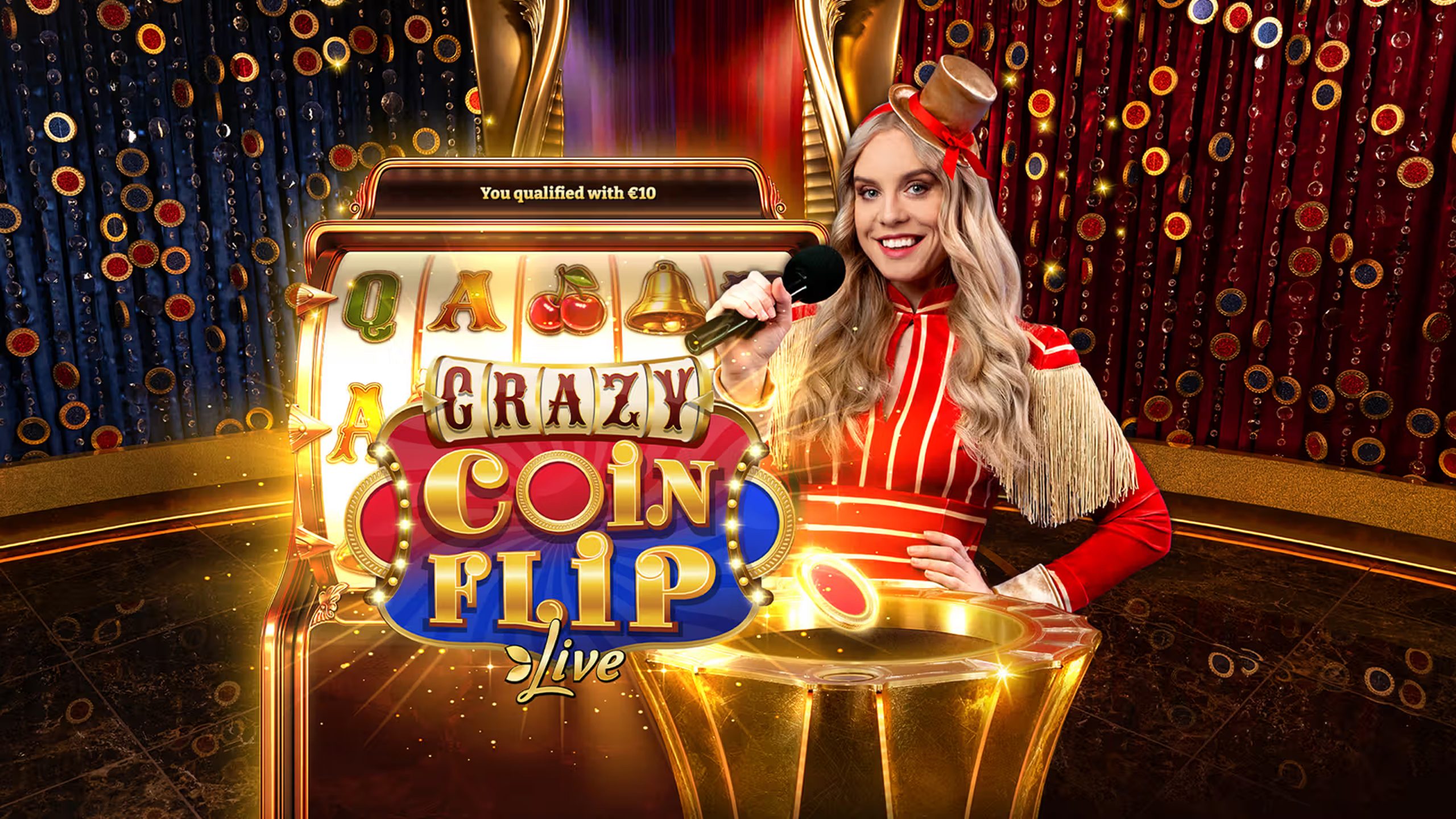
Cash Hunt: picking a target on a large grid
Essence Player control UX Common expectations 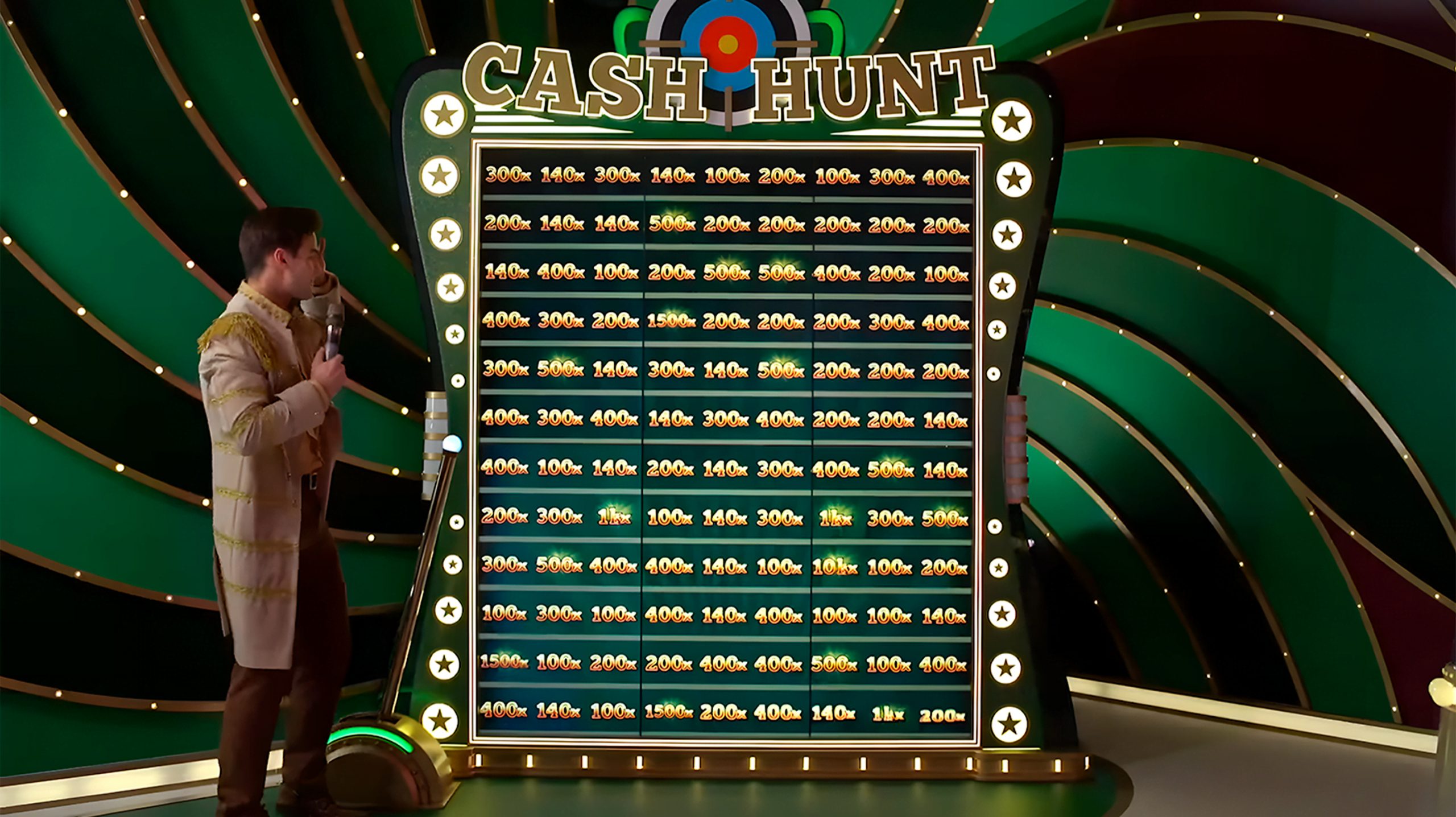
Pachinko: a pegboard and a falling puck
Essence Player control UX Common expectations 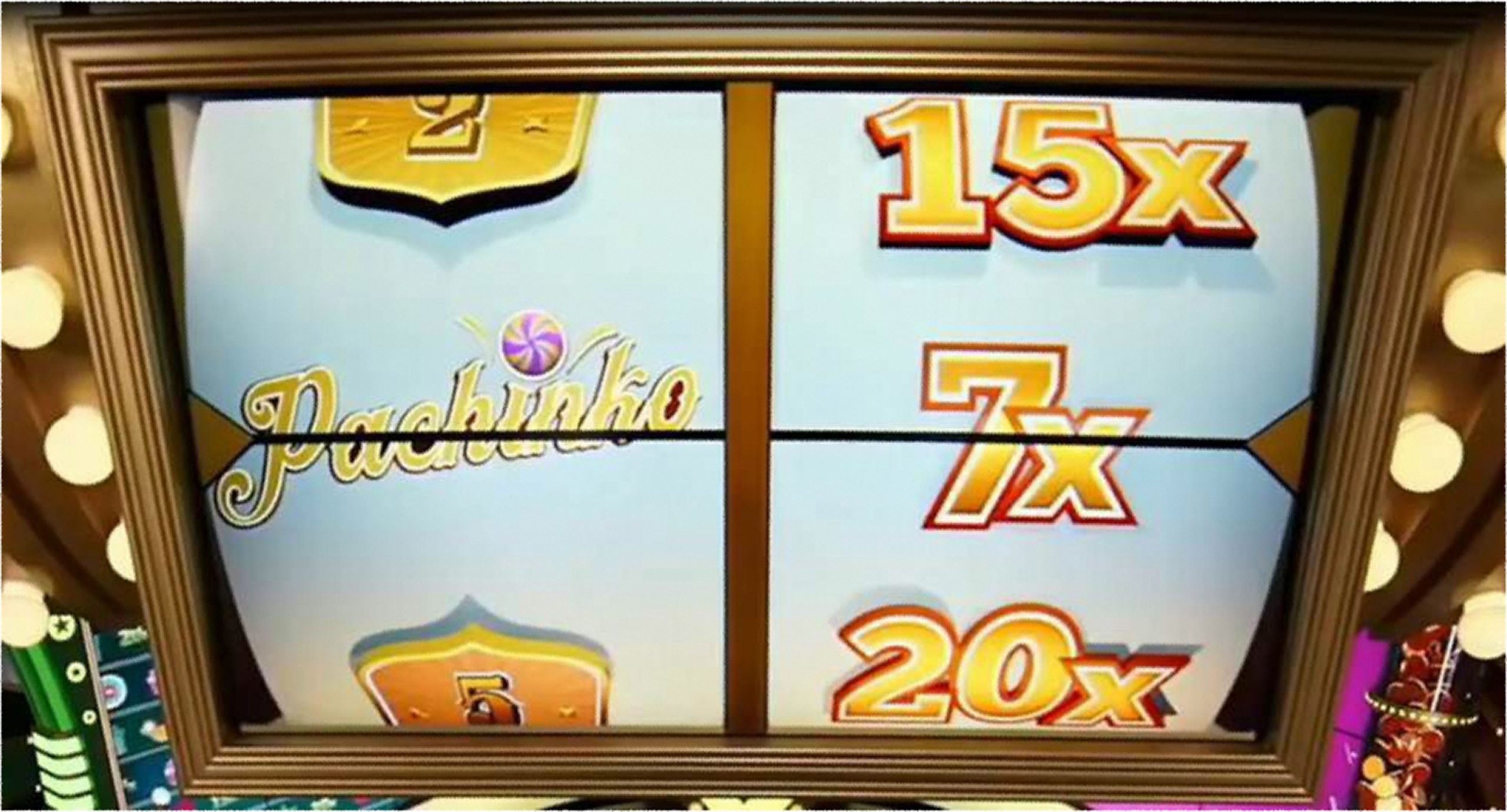
Crazy Time: a separate giant wheel and a flapper choice
Essence Player control UX Common expectations 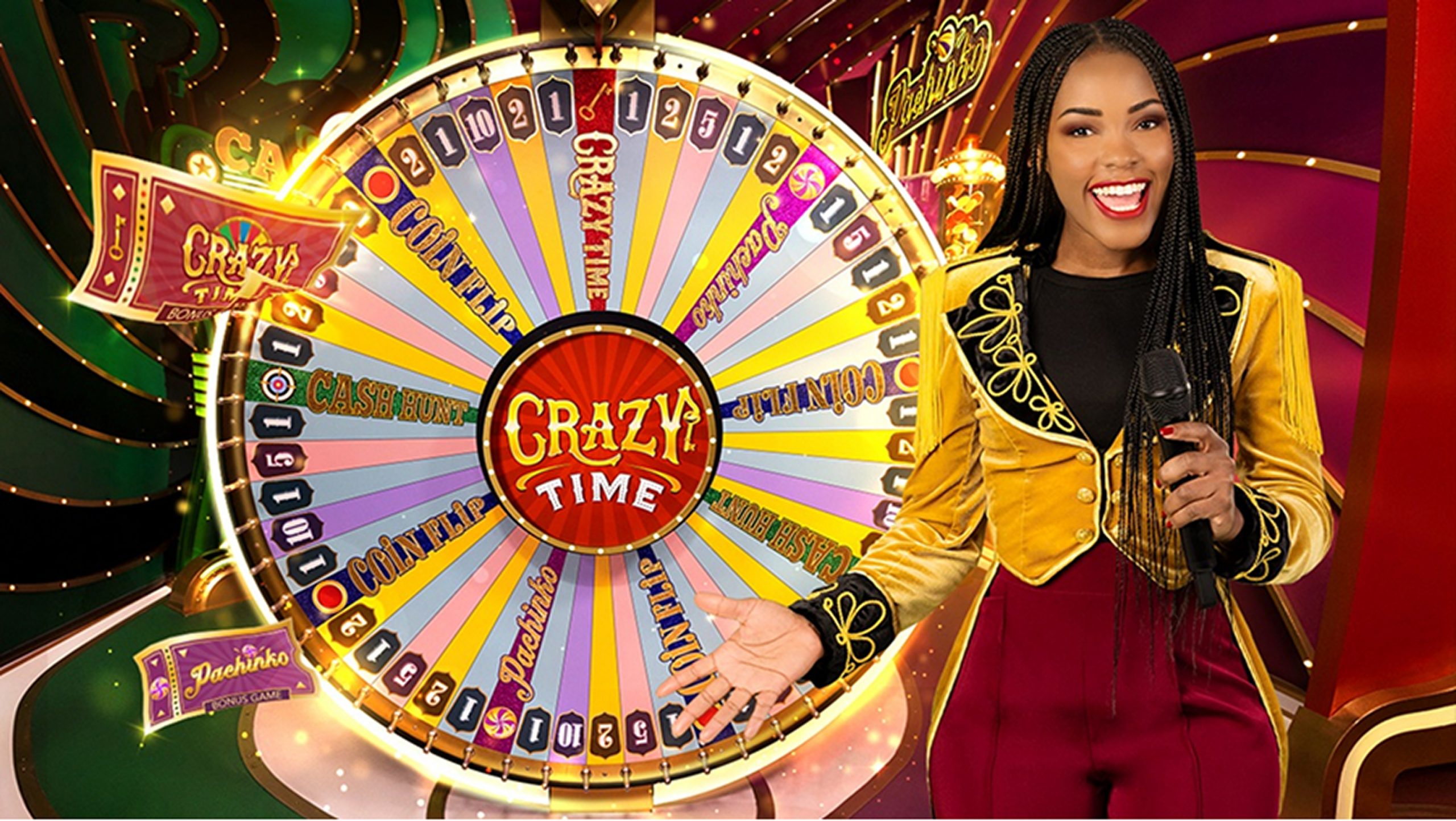
Comparing bonuses: player role, length, variability
Qualitative comparison only. Exact numbers and configurations can differ by version and operator.
| Bonus | Player role inside the round | Duration | Visual complexity | Outcome variability | Personal choice | Top Slot impact |
|---|---|---|---|---|---|---|
| Coin Flip | No choice, watch the flip | Short | Low | Two branches | No | Can boost coin sides (details vary by version) |
| Cash Hunt | Pick a grid target | Short/Medium | Medium | Many distinct cells | Yes | Can boost available values (details vary) |
| Pachinko | No control over trajectory | Medium | Medium/High | Depends on bottom slots and re-spins | No | Can affect slot values/config (where applicable) |
| Crazy Time | Choose a flapper before spin | Medium/Long | High | Depends on wheel sectors and re-spins | Yes | Can boost the bonus (mechanics vary) |
Key takeaway: choice exists in Cash Hunt and Crazy Time, while Coin Flip and Pachinko are observation rounds. Even where choices exist, they personalize outcomes without creating a skill game.
Frequent misconceptions and how to spot them
-
“Experience tells me where to click in Cash Hunt.” The grid is shuffled and masked; stable hot zones aren’t supported. Past hits don’t predict future ones.
-
“You can compute Pachinko trajectories via peg layout.” Too many collisions; tiny differences change the path. Convincing visuals don’t grant control.
-
“One Crazy Time flapper is inherently luckier.” Flappers often diverge, but no long-term edge appears.
-
“Streaks of low results are followed by highs.” Gambler’s fallacy. Random processes do not self-balance on schedule.
-
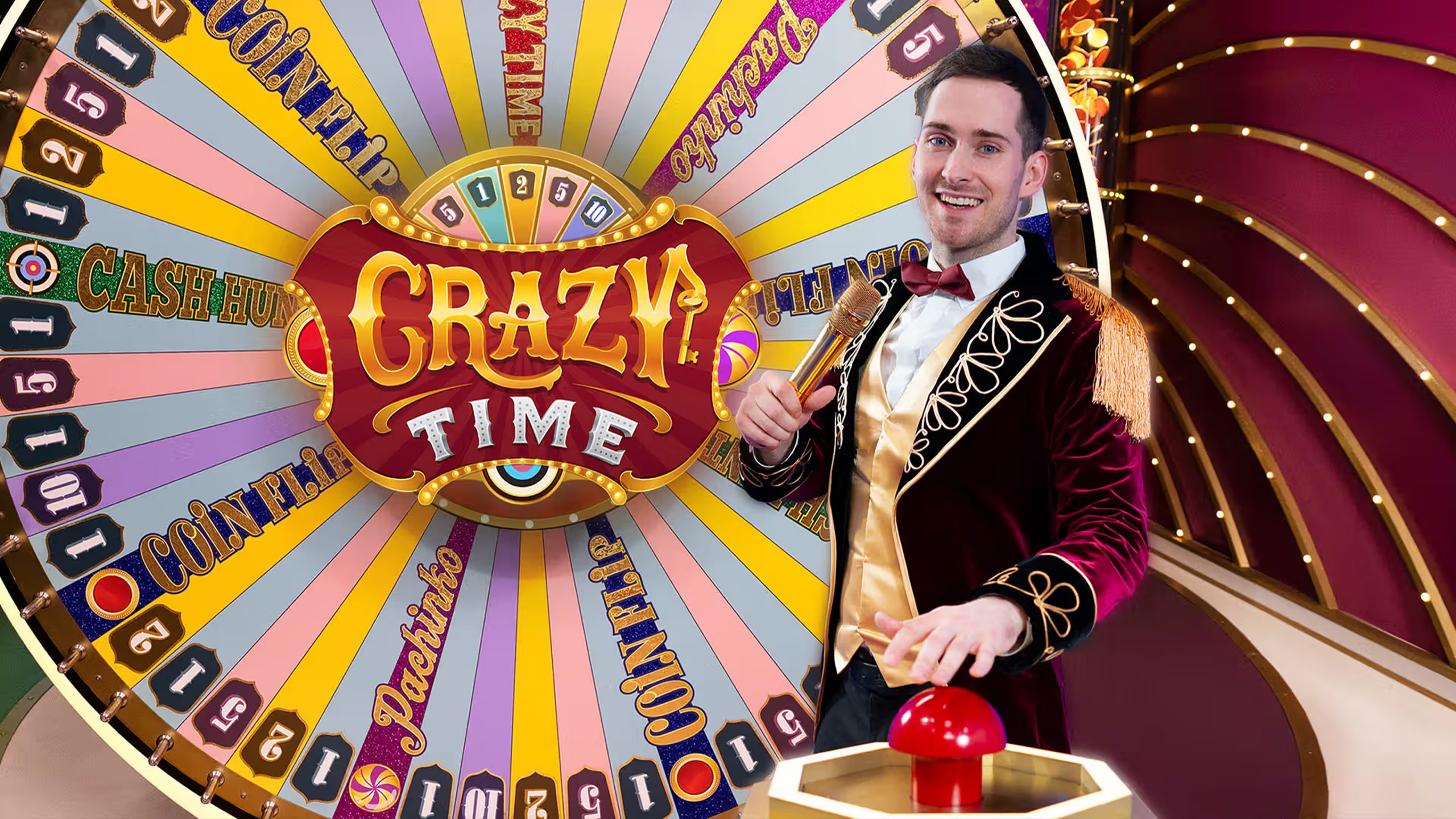
“The host influences bonus results.” Hosting and visuals are separate from outcome generation.
-
“There are universal signals to bet on a specific bonus.” External triggers and “trained eyes” don’t create statistical advantage.
What is actually under player control
You don’t control randomness, but you can control session context:
Coverage Stake and limits Duration and cadence Familiarization Technical setup These steps don’t predict outcomes but reduce attention and money drains from preventable friction.
UX and visual effects: why it’s bright and “tangible”
Each bonus leans on a specific kind of persuasion:
Coin Flip Cash Hunt Pachinko Crazy Time For performance, the interface must stay stable across devices: responsive layout, correct AR rendering, preloaded assets, and robust behavior on orientation changes. Connection quality affects AV sync. On weaker devices, turn off nonessential effects if the game allows it.
Performance and adaptability: practical notes
Players experience bonuses “in the moment.” Any lag, AV desync, frame drops, or blur undercut trust:
Network stability Power saving UI refresh Adaptive settings These steps don’t change randomness but reduce irritants and misreads.
Evolution: from simple wheels to hybrid bonuses
Crazy Time shows how “game shows” evolved from classic wheels to hybrids with mini-games and AR scenes. Historically, such products relied on a familiar wheel, a host, and studio staging. Later came card or board elements, then full-format bonuses with choices, grids, and secondary wheels.
Some ideas echo video slot trends. Cash Hunt’s “pick one” matches pick-bonus mechanics. Pachinko’s pseudo-physics resonates with board analogs and simulations. The culminating Crazy Time bonus embeds a “multi-wheel” act, aligning with the broader push toward scene-driven, personalized experiences without raising the entry barrier.
Conclusions: a pragmatic view of bonuses
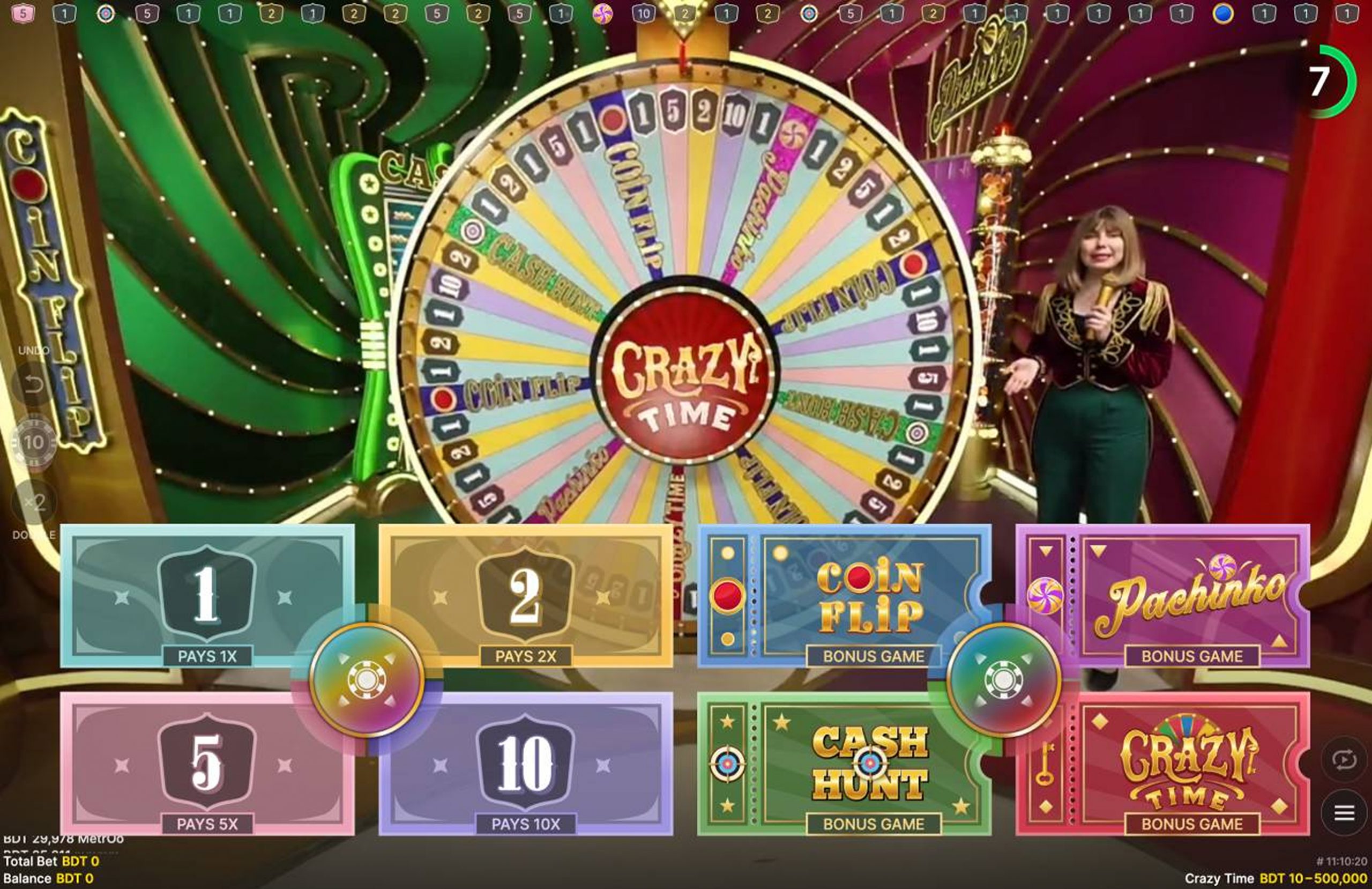
Coin Flip Cash Hunt Pachinko Crazy Time Across all four, exact multipliers, hit rates, and layouts may differ. Don’t transfer expectations from one version to another.
FAQ
Because you make a choice. It personalizes the outcome without conferring statistical edge.
No stable best spots. Layouts are hidden and shuffled. Past luck doesn’t carry over.
No. Path variability is too high.
No. Flappers diverge, but none shows persistent superiority.
No. Hosting is presentation; outcome generation is separate.
It raises participation frequency and costs. Decide according to your limits and desired session length.
It adds variability by boosting sectors or a bonus. Exact details vary by version.
No. Random streaks don’t predict subsequent results.